레이블이 Lung Cancer Facts인 게시물을 표시합니다. 모든 게시물 표시

2013년 11월 1일 금요일

Ilona Warf's blog ::OncologySTAT: A RESOURCE FOR LATEST CANCER INFORMATION


Ilona Warf's blog ::OncologySTAT: A RESOURCE FOR LATEST CANCER INFORMATION


Two               Types               of               Lung               Cancer:               There               are               two               types               of               lung               cancer:
               Non-Small               Cell               Lung               Cancer               (NSCLC):               is               responsible               for               85-90%               of               all               lung               cancers               and               has               three               different               subtypes:
               1.

Squamous               Cell               Carcinoma:               found               in               the               middle               of               the               lungs,               this               type               of               cancer               is               linked               to               smoking               (25-30%)
               2.

Adenocarcinoma:               found               on               the               outer               part               of               the               lung,               people               with               this               particular               cancer               typically               have               a               better               prognosis               (40%)
               3.

Large               Cell               (undifferentiated)               Carcinoma:               grows               and               spreads               rapidly,               and               can               be               found               in               any               part               of               the               lung               -               making               it               hard               to               treat               (10-15%)
               Small               Cell               Lung               Cancer:               begins               in               the               center               of               the               chest               and               is               responsible               for               10-15%               of               all               lung               cancers.

Made               up               of               small               cancer               cells               that               multiply               rapidly               and               can               form               large               tumors               as               well               as               spread               to               other               organs               (including               the               bones,               brains               and               liver               as               well               as               the               lymph               nodes).

This               type               of               lung               cancer               is               found               mostly               in               smokers,               it               is               very               rare               that               a               non-smoker               would               have               small               cell               lung               cancer.

Because               small               cell               lung               cancer               spreads               quickly,               if               surgery               is               an               option               it               is               often               matched               with               other               treatments               to               kill               the               parts               of               the               disease               that               has               spread.
               Rare               forms               of               Lung               Cancer:
               (responsible               for               less               than               5%               of               all               lung               cancers)
               §               Carcinoid               tumors
               §               Adenoid               cystic               carcinomas
               §               Hamartomas
               §               Lymphomas
               §               Sarcomas
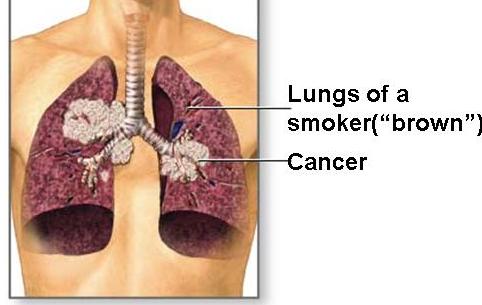
               Lung               cancer               is               a               cancer               that               starts               in               the               lungs.

Cancer               that               begins               in               another               organ               and               spreads               to               the               lungs               is               considered               the               original               type               of               cancer               (for               instance:               kidney               cancer               that               spreads               to               the               lung               is               kidney               cancer).
               Lung               Cancer               Statistics:
               §               It               is               estimated               there               will               be               over               two               hundred               and               nineteen               thousand               new               cases               of               lung               cancer               in               2009
               §               It               is               also               estimated               that               there               will               be               over               150,000               deaths               from               lung               cancer
               §               More               people               die               of               lung               cancer               than               colon,               breast               and               prostate               cancer               combined
               §               The               risk               for               smokers               is               higher               than               in               non-smokers
               §               The               average               lifetime               risk               that               a               man               will               get               lung               cancer               is               one               in               thirteen,               a               woman               is               one               in               sixteen
               Common               Symptoms               of               Lung               Cancer               Include:
               *this               is               not               a               complete               list               of               symptoms;               if               you               do               have               any               of               the               symptoms               on               this               list,               you               should               contact               your               doctor*
               §               Cough               that               does               not               go               away
               §               Chest               pain               that               worsens               when               one               takes               a               deep               breath,               coughs               or               laughs
               §               Hoarseness
               §               Weight               loss
               §               Loss               of               appetite
               §               Bloody               spit
               §               Shortness               of               breath
               §               Pneumonia               or               bronchitis               that               keeps               coming               back
               §               Wheezing
               Common               Symptoms               (if               the               cancer               has               spread)               Include:
               §               Bone               pain
               §               Numbness               of               arms               or               legs
               §               Headache
               §               Dizziness
               §               Seizure
               §               Jaundice
               §               Lumps               near               the               surface               of               your               body
               Smoking               is               the               most               common               risk               factor               related               to               lung               cancer,               with               nine               out               of               ten               cases               being               caused               by               smoking.

Smoking,               in               this               case,               includes               cigarettes,               pipes               and               cigars.

A               person               exposed               to               secondhand               smoke               has               a               twenty               to               thirty               percent               increase               in               their               chances               of               developing               lung               cancer               in               the               future.

Smoking,               however,               is               not               the               only               risk               factor               of               lung               cancer...
               Other               Risk               Factors               Include:
               §               Marijuana
               §               DNA               and               Gene               changes
               §               Air               Pollution
               §               History               of               lung               cancer               (whether               it               is               personal               or               a               family               member)
               §               Arsenic
               §               Diets               or               vitamins
               §               Asbestos
               §               Radon
               §               Radiation               to               the               chest
               The               American               Cancer               Society               provides               a               list               of               questions               to               ask               your               doctor               if               you               have               been               diagnosed               with               lung               cancer.
               TREATMENTS
               There               are               various               types               of               treatments               one               could               undergo,               depending               on               the               type               of               lung               cancer               they               have:
               Surgery:
               (for               Small               Cell               Lung               Cancer               and               Non-Small               Cell               Lung               Cancer)
               §               1               in               20               cases               of               small               cell               lung               cancer               can               be               treated               entirely               by               surgery               (the               majority               of               cases,               however,               involve               additional               treatment)
               §               Tests               are               done               prior               to               ensure               enough               lung               tissue               will               remain               after               surgery
               §               Lymph               nodes               are               removed               for               to               check               for               spreading
               §               Operations               require               a               hospital               stay               of               about               a               week
               Operations:
               1.

pneumonectomy:               an               operation               in               which               the               entire               lung               is               removed
               2.

lobectomy:               only               a               part               of               the               lung               is               removed
               3.

segmentectomy               or               wedge               resection:               part               of               a               section               of               the               lung               is               removed
               4.

Video-Assisted               Thoracic               Surgery:
               Less               invasive,               this               surgery               is               used               during               the               early               stages               of               lung               cancers               (for               3-4               centimeter               tumors)               involves               a               thin               video               camera               to               be               placed               in               a               tiny               hole               in               the               chest,               to               allow               the               surgeon               to               see               the               chest               cavity.

Other               holes               (usually               two)               are               created,               and               large               instruments               pull               the               tumor               through               these               holes.

The               advantages               include               less               pain               and               a               shorter               hospital               stay.
               Side               Effects               of               Surgery:
               §               Excessive               bleeding
               §               Infections
               §               Pneumonia
               §               Limited               activity
               Radiation               Therapy:
               Radiation               Therapy               for               Small               Cell               Lung               Cancer
               Given               five               days               a               week,               for               a               few               weeks,               radiation               therapy               uses               energy               rays               to               kill               cancer               cells,               and               usually               coincides               with               chemotherapy               (or               after               chemotherapy               to               kill               any               cancer               cells               that               might               remain).

This               therapy               is               painless               and               the               treatment               is               brief               (set-up               time               is               commonly               longer               than               the               actual               procedure)
               Three               Dimensional               Conformal               Radiation               Therapy               (3D-CRT)
               This               type               of               radiation               therapy               uses               computer               programs               to               locate               the               tumor,               thus               aiming               the               radiation               beams               at               the               tumor,               from               different               places,               making               it               less               likely               to               damage               healthy               tissue.
               Intensity               Modulated               Radiation               Therapy               (IMRT)
               This               type               of               radiation               therapy               involves               a               machine,               which               moves               around               the               patient               to               deliver               radiation               to               the               tumor               from               different               angles               at               different               intensities.

This               type               of               therapy               is               typically               used               when               tumors               are               located               near               sensitive               body               parts,               like               the               spinal               cord.
               Radiation               Therapy               for               Non-Small               Cell               Lung               Cancer
               There               are               two               types               of               radiation               therapy               for               non-Small               Cell               Lung               Cancer:
               1.

External               Beam               Radiation               Therapy:
               Uses               radiation               from               outside               of               the               body               and               focuses               it               on               the               cancer.

This               radiation               is               commonly               used               on               the               primary               lung               cancer               or               when               it               spreads               to               the               organs.

Types               of               external               beam               radiation               include:
               Three               Dimensional               Conformal               Radiation               Therapy               (3D-CRT)
               This               type               of               radiation               therapy               uses               computer               programs               to               locate               the               tumor,               thus               aiming               the               radiation               beams               at               the               tumor,               from               different               places,               making               it               less               likely               to               damage               healthy               tissue.
               Intensity               Modulated               Radiation               Therapy               (IMRT)
               This               type               of               radiation               therapy               involves               a               machine,               which               moves               around               the               patient               to               deliver               radiation               to               the               tumor               from               different               angles               at               different               intensities.

This               type               of               therapy               is               typically               used               when               tumors               are               located               near               sensitive               body               parts,               like               the               spinal               cord.
               Stereotactic               Radiation               Therapy
               Treats               early               stages               of               lung               cancer               and               is               focused               on               giving               large               doses               of               radiation               one               or               two               days               a               week.

The               person               is               put               in               a               body               frame,               designed               for               them,               to               help               lead               to               successful               radiation.
               2.

Brachytherapy               (Internal               Radiation               Therapy):
               Involves               placing               a               small               dose               of               radioactive               material               in               the               cancer,               to               shrink               the               tumors               and               relieve               symptoms.

It               could               also               be               part               of               a               larger               treatment               to               cure               the               cancer.
               Side               Effects               of               Radiation               Therapy:
               §               Skin               problems               (like               a               sunburn,               where               the               radiation               enters               the               body)
               §               Nausea               and               vomiting
               §               Fatigue
               §               If               the               radiation               therapy               happened               in               the               chest:               trouble               breathing               or               swallowing
               §               If               the               radiation               therapy               happened               in               the               brain:               headaches,               memory               loss,               trouble               thinking,               loss               of               sex               drive
               Chemotherapy:
               (for               Small               Cell               Lung               Cancer               and               Non-Small               Cell               Lung               Cancer)
               Anti-cancer               drugs               (like:               cisplatin,               etoposide,               carboplatin               and               irinotecan;               the               choice               of               drugs               depends               on               the               growth               of               the               cancer)               are               injected               or               swallowed               and               enter               the               bloodstream,               which               makes               this               the               preferred               treatment               when               the               cancer               has               spread.
               Chemotherapy:
               §               Is               the               most               common               treatment               for               Small               Cell               Lung               Cancer
               §               Could               be               the               main               treatment,               or               an               addition               to               another               treatment
               §               Is               given               in               cycles               so               the               body               has               time               to               recuperate
               Side               Effects               of               Chemotherapy:
               §               Hair               loss
               §               Mouth               sores
               §               Loss               of               appetite
               §               Nausea               and               vomiting
               §               Increased               chance               of               infections
               §               Easy               bruising               and               bleeding
               §               Fatigue               or               weakness
               §               Sensitivity               to               cold               or               heat
               §               Pain,               burning               or               tingling               sensations
               Other               Treatments               for               Non-Small               Cell               Lung               Cancer:
               Radio               Frequency               Ablation               (RFA)
               §               For               small               lung               tumors               located               at               the               outer               lung
               §               Heats               the               tumor               and               uses               an               electric               current               to               destroy               the               cancer               cells
               §               An               outpatient               procedure,               using               medicine               or               local               anesthesia
               §               Can               cause               partial               collapse               of,               or               bleeding               into               the               lung
               Photodynamic               Therapy               (PDT)
               §               Used               to               treat               cancers               where               surgery               would               not               work               (i.e.:               near               airways)
               §               A               light-activated               drug,               called               Photofrin,               is               injected               and               collects               cancer               cells
               §               A               light               at               the               end               of               a               bronchoscope               is               passed               down,               causing               the               cells               to               die
               §               The               cells               will               be               removed               a               few               days               later
               §               Can               cause               sensitivity               to               the               light               and               skin               reactions
               The               following               drugs               are               newer               treatments,               used               on               non-small               cell               lung               cancer               patients               either               along               with               chemotherapy               or               when               chemotherapy               has               stopped               working.
               Bevacizumab:               infused               into               the               vein               every               two               to               three               weeks,               this               drug               targets               the               proteins               that               help               create               new               blood               vessels               (which               nourish               tumors).

Side               Effects               Include               bleeding,               high               blood               pressure,               loss               of               appetite,               risk               of               blood               clots               and               a               delay               in               wound               healing.
               Erlotinib               (Tarceva):               is               a               pill               taken               daily,               that               blocks               the               epidermal               growth               factor               receptor               (EGFR               -               which               signals               cells               to               grow               and               divide)               and               helps               to               keep               lung               tumors               under               control.

It               is               commonly               used               after               chemotherapy               has               stopped               working.

Side               Effects               Include               an               acne-like               rash               on               the               face               and               chest,               diarrhea,               loss               of               appetite               and               fatigue.
               Cetuximab               (Erbitux):               is               given               once               a               week               to               patients               with               advanced               lung               cancer,               to               target               EGFR,               it               is               often               added               to               standard               chemotherapy.

Side               Effects               Include               an               acne-like               rash,               headache,               fatigue,               fever               and               diarrhea.

Another               rare               side               effect               is               an               allergic               reaction               to               the               drug               during               the               first               infusion               (there               is               medicine               one               can               take               prior               to               treatment               to               help               prevent               it).
               OTHER               METHODS
               (for               both               Small               Cell               Lung               Cancer               and               Non-Small               Cell               Lung               Cancer)
               While               the               decision               is               ultimately               yours,               you               should               always               discuss               these               methods               with               your               doctor.

Your               doctor               can               help               you               find               methods               for               your               particular               case,               tell               you               what               to               avoid               and               provide               support.
               Clinical               Trials:
               Clinical               trials               are               controlled               research               which               studies               those               who               volunteer               for               them               in               an               attempt               to               use               new               treatments               or               procedures.

These               trials               are               not               right               for               everyone,               yet               they               help               doctor's               learn               more               about               newer               cancer               treatments.

There               are               requirements               that               a               person               must               meet               in               order               to               be               a               part               of               the               trial.
               To               Find               a               Clinical               Trial:
               §               Ask               your               doctor               about               hospitals               or               clinics               performing               trials
               §               Call               (800)-303-5691               or               go               online               to               clinicaltrials.cancer.org
               §               Call               (800)-422-6237               or               go               online               to               www.cancer.gov/clinicaltrials
               For               more               information               on               clinical               trials,               click               here
               Complementary               Methods:
               Refer               to               methods               that               one               can               practice               along               with               medical               care.

They               are               not               cures               for               cancer;               they               simply               help               you               feel               better,               as               a               way               to               get               rid               of               stress,               relieve               pain               or               nausea.

These               include:               aromatherapy,               massage               therapy,               meditation               or               yoga.

Some               therapies               have               been               tested               and               found               to               help,               while               others               have               been               found               to               be               harmful               therefore,               it               is               always               important               to               discuss               these               methods               with               your               doctor.
               Alternative               Treatments:
               Refer               to               methods               that               are               used               instead               of               regular               medical               treatments.

While               some               work,               most               alternative               treatments               have               been               found               to               be               harmful               and               ineffective,               and               by               using               them               the               patient               holds               off               on               their               treatment,               allowing               the               cancer               time               to               grow.

There               are               certain               ways               to               spot               a               bad               treatment.
               If               The               Treatment:
               1.

promises               to               cure               all               cancers               (or               the               majority               of               them)
               2.

is               only               given               by               certain               people
               3.

requires               that               you               not               use               other,               standard               medical               treatments
               4.

requires               the               patient               travelling               to               another               country
               5.

is               given               by               professionals               who               attack               the               medical               community
               AFTER               TREATMENT
               §               Keep               follow-up               appointments               (usually               every               2               to               3               months               for               the               first               year)               so               doctors               can               examine               you,               check               for               symptoms               of               side               effects               and               recurrence,               as               well               as               giving               you               the               opportunity               to               tell               the               doctor               how               you               are.
               §               You               might               want               to               consider               making               lifestyle               changes,               most               notably               with               your               diet               and               exercise,               as               well               as               joining               a               support               group               to               help               your               emotional               health,               after               going               through               a               difficult               time.
               CONCLUSION
               Because               the               stage               of               lung               cancer               the               patient               has               affects               the               treatments               listed               above,               The               American               Cancer               Society               provides               a               helpful               list               which               summarizes               which               treatments               are               most               effective               at               which               stage,               whether               you               are               diagnosed               with               small               cell               lung               cancer               or               non-small               cell               lung               cancer.
               Official               Site;               "How               Is               Non-small               Cell               Lung               Cancer               Treated?"               American               Cancer               Society
               Official               Site;               "What               Causes               Non-small               Cell               Lung               Cancer?"               American               Cancer               Society
               Official               Site;               "How               Is               Non-small               Cell               Lung               Cancer               Found?"               American               Cancer               Society
               Official               Site;               "How               Many               People               Get               Non-small               Cell               Lung               Cancer?"               American               Cancer               Society
               Official               Site;               "Clinical               Trials."               American               Cancer               Society
               Official               Site;               "Complementary               and               Alternative               Therapies."               American               Cancer               Society
               Official               Site;               "How               Is               Small               Cell               Lung               Cancer               Treated?"               American               Cancer               Society
               All               information               found               at               www.cancer.org


Image of lungs cancer information


lungs cancer information

lungs cancer information Image 1

lungs cancer information

lungs cancer information Image 2

lungs cancer information

lungs cancer information Image 3

lungs cancer information

lungs cancer information Image 4

lungs cancer information

lungs cancer information Image 5

  • Related blog with lungs cancer information


    1. cancerlux.blogspot.com/   04/21/2011
      ..., diagnosis and treatment for cancers of the lung are shown as they...the beginning of 2005. The information in this text information about cancer...
    2. mesotheliomacancers-aid.blogspot.com/   04/19/2008
      ...where you can find helpful mesothelioma lung cancer information and advice... you just have to know...the latest on mesothelioma lung cancer information and advice. The easiest way...
    3. elbiruniblogspotcom.blogspot.com/   04/08/2011
      ...lung cancer patients." SOURCE: AACR 102nd Annual Meeting 2011, held in Orlando, Fl from April 2-6, 2011 HPV and Lung Cancer Linked? | Medical News and Health Information
    4. reshams.blogspot.com/   05/31/2010
      ... are responsible for 48% of all burn deaths allies. Lung cancer was the conquest of the chief scourge of the song diagnosis for 22% of all death threat...
    5. asbestoscancer99.blogspot.com/   05/15/2012
      ...your own country, state or even city. Alex is a featured author on the Lung Cancer Information Center at http://www.symptoms-of-lung-cancer.org/ and researches and...
    6. talesfromthelou.wordpress.com/   09/13/2011
      ...Cancer (repeatingislands.com) Lung Cancer Insight, Providing The Best Lung Cancer Information On The Web (tryopensource.info) Advertisement Eco World Content From Across The Internet. ...
    7. aboutdisease.wordpress.com/   02/20/2011
      ... attached to one another. I for one know there’s a ton of lung cancer information scattered all around the web, and I know it can be somewhat depressing...
    8. momwithlungcancer.blogspot.com/   10/23/2009
      ...resource on the web for lung cancer information. I follow Dr. West often...towards the fight against lung cancer. I'd also like to highlight... and publish the information I can collect ...
    9. iehealth.blogspot.com/   01/26/2012
      ...! It doesn’t just cause lung cancer. And, we now know why. All commercially ... so, knew all this information, the quit rate would be higher than...
    10. susansspecialneeds24052.blogspot.com/   12/08/2010
      ...with instant online access to the highest-quality news, expert opinion, and clinical information. Lung Cancer Resources from OncologySTAT http://www.oncologystat.com/ cancer-types/lung...
    11. Lungs Cancer Information - Blog Homepage Results

      Lung cancer is one of the leading cause of the death in the world and the cases of lung cancer are reported day in and day out. Here you can find basic information about Lung Cancer
      Information and Resources for Breast Cancer , Colon Cancer , Prostate Cancer , Lung Cancer and Other Cancer Forms


    Related Video with lungs cancer information


    lungs cancer information Video 1


    lungs cancer information Video 2


    lungs cancer information Video 3


    lungs cancer information


    2013년 10월 28일 월요일

    Ilona Warf's blog ::...similar to what much ...Twice as many of the teens were able to quit..., the cancer risk from...just cause lung cancer. And...cancer! And the statistics show it...


    Ilona Warf's blog ::...similar to what much ...Twice as many of the teens were able to quit..., the cancer risk from...just cause lung cancer. And...cancer! And the statistics show it...


    One               of               the               many               risks               of               smoking               cigarettes               is               an               increased               risk               of               lung               cancer.

    The               statistics               are               sobering.

    A               man               who               smokes               until               age               seventy-five               has               a               sixteen               percent               chance               of               dying               of               this               disease               that               slowly               destroys               lung               tissue               and               gradually               spreads               to               other               parts               of               the               body.

    Unfortunately,               some               smokers               aren't               willing               to               kick               the               habit.

    What               about               diet?

    A               new               study               shows               that               getting               more               vitamin               B6               could               help               smokers               lower               their               risk               of               lung               cancer.

    More               B6               to               Prevent               Lung               Cancer?
                   In               a               study               published               in               the               Journal               of               the               American               Medical               Association,               researchers               looked               at               blood               levels               of               vitamin               B6               in               899               lung               cancer               sufferers               and               compared               them               to               1,770               people               who               were               free               of               the               disease               '"               noting               an               inverse               relationship               between               the               risk               of               lung               cancer               and               vitamin               B6               blood               levels.

    Those               with               the               highest               quantities               of               vitamin               B6               in               their               blood               were               less               likely               to               get               the               disease.

    In               fact,               those               who               had               the               very               highest               levels               (top               twenty-five               percent)               had               less               than               half               the               risk               of               being               diagnosed               with               lung               cancer.
                   The               same               study               showed               that               people               who               had               higher               levels               of               a               protein               called               methionine,               and,               to               a               lesser               extent,               the               vitamin               folate               also               have               a               lower               risk               of               cancer               of               the               lung.

    High               levels               of               all               three               components               reduced               the               risk               by               as               much               as               sixty-six               percent.

    At               least               for               methionine,               higher               levels               lower               the               risk               of               lung               cancer               for               both               smokers               and               non-smokers.
                   How               to               Get               More               B6?
                   It's               too               early               to               say               whether               vitamin               B6               prevents               lung               cancer,               just               that               there's               a               association               between               higher               levels               and               a               lower               risk               of               cancer               of               the               lung.

    For               this               reason,               taking               vitamin               B6               supplements               to               reduce               lung               cancer               risk               can't               be               recommended.

    Plus,               it's               not               clear               whether               B6               supplements               have               the               same               benefits               as               natural               vitamin               B6               from               food               sources.

    Getting               more               than               100               milligrams               of               B6               a               day               in               supplemental               form               isn't               routinely               recommended               since               high               levels               of               vitamin               B6               can               damage               the               nervous               system.
                   The               best               natural               sources               of               vitamin               B6               are               animal               products               -               beef,               chicken,               and               fish.

    Other               good               sources               are               fortified               cereals,               grains,               walnuts,               leafy               greens               and               bananas               -               although               vitamin               B6               is               better               absorbed               from               animal               products               than               it               is               from               plant               based               sources.

    The               best               sources               of               methionine               are               animal               products,               while               folate               is               most               abundant               in               green,               leafy               vegetables,               lentils,               and               beans.
                   More               Vitamin               B6               and               Colon               Cancer:               The               Bottom               Line?
                   The               safest               bet               to               reduce               the               risk               of               lung               cancer               is               to               quit               smoking               and               eat               a               varied               diet               made               up               of               fruits               and               vegetables,               beans               and               lentils,               nuts,               whole               grains,               and               smaller               amounts               of               lean,               organic               meat.

    (preferably               humanely               raised).

    This               ensures               adequate               amounts               of               vitamins               B6,               methionine,               and               folate               for               most               people               -               without               the               risk               of               getting               too               much               B6.
                   References:
                   http://www.nutraingredients.com/Research/Higher-vitamin-B6-levels-may-reduce-lung-cancer-risk/?c=MxvTEFIEuNxmdehtoYHTvA%3D%3D&utm_source=newsletter_daily&utm_medium=email&utm_campaign=Newsletter%2BDaily


    Image of what are the statistics of lung cancer


    what are the statistics of lung cancer
    what are the statistics of lung cancer

    what are the statistics of lung cancer Image 1

    what are the statistics of lung cancer
    what are the statistics of lung cancer

    what are the statistics of lung cancer Image 2

    what are the statistics of lung cancer
    what are the statistics of lung cancer

    what are the statistics of lung cancer Image 3

    what are the statistics of lung cancer
    what are the statistics of lung cancer

    what are the statistics of lung cancer Image 4

    what are the statistics of lung cancer
    what are the statistics of lung cancer

    what are the statistics of lung cancer Image 5

  • Related blog with what are the statistics of lung cancer


    1. iehealth.blogspot.com/   01/26/2012
      ...similar to what much ...Twice as many of the teens were able to quit..., the cancer risk from...just cause lung cancer. And...cancer! And the statistics show it...
    2. boltonsmokersclub.wordpress.com/   03/01/2012
      ... the whole statistics as flawed...distrust, because it was talking... in lung cancer incidence of up to about fifty... what it was...
    3. byhelplive.blogspot.com/   08/24/2011
      ...was the lung cancer, they will then be counted...from either of these...cancers. The fact is...the war of statistics. At this point...title, “what are...
    4. fitmall.blogspot.com/   01/06/2008
      ...lung cancer ? What are the chances... of the lungs and ... fix. Cancer of the lungs... the statistics are practically...
    5. tissuepathology.wordpress.com/   07/27/2011
      ...for colon, lung, breast and prostate cancer were ...be before the cure was...this question of anyone in...would they? What would a cure...to population statistics and what impact...
    6. junkcharts.typepad.com/numbersruleyourworld/   10/05/2012
      ...cancers? Because "data were consistently available from both the European and US survival... testis cancer and excluding lung cancer. Insteading of imputing ...
    7. labsoftnews.typepad.com/lab_soft_news/   06/11/2010
      ... with lung cancer. Many breast lesions are discovered... of the disease for most... statistics: 22.3% of ...
    8. betweenrockandhardplace.wordpress.com/   08/06/2009
      ...Lennart Hardell can be very proud of his research. 2. What concerns me now are the cancer statistics from UK and US indicating...
    9. cuthulan.wordpress.com/   12/18/2010
      ...and cooperative way in the interest of the whole society. We get what we choose: natural health or ...http://www.whale.to/a/last1.html CANCER IS A VERY WESTERN INDUSTRIAL DISEASE There...
    10. youknewwhatimeant.wordpress.com/   09/20/2012
      ...of Jesus.” What about ... in the same neighborhood...in the time of Jesus “Christianity... he was trying...and bring the lung cancer statistics into gender...
    11. What Are The Statistics Of Lung Cancer - Blog Homepage Results

      ...lung cancer! What are the dangerous ... lung cancer! Posted... illness. Statistics approve: fifty per cent (50%) of long ...


    Related Video with what are the statistics of lung cancer


    what are the statistics of lung cancer Video 1


    what are the statistics of lung cancer Video 2


    what are the statistics of lung cancer Video 3


    what are the statistics of lung cancer